Gostern Wire rope rigging /Chain rigging /Lifting rigging

CATEGORIES

Featured products

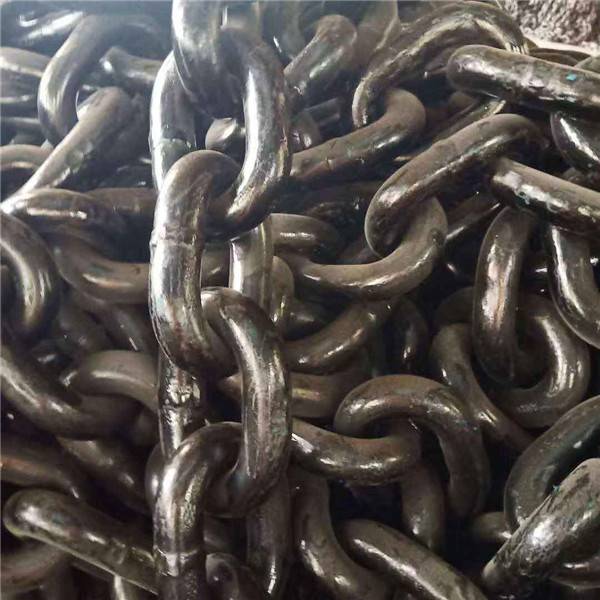
Application: Ship, iron and steel industry, petroleum chemical industry, coal mine
Application: Can use on different pulley or hoist, lever hoist and electrical hoist.
Application: Ship, iron and steel industry, and other decorative function sucn as pet and lock the door. Also can use on hoist and pulley.
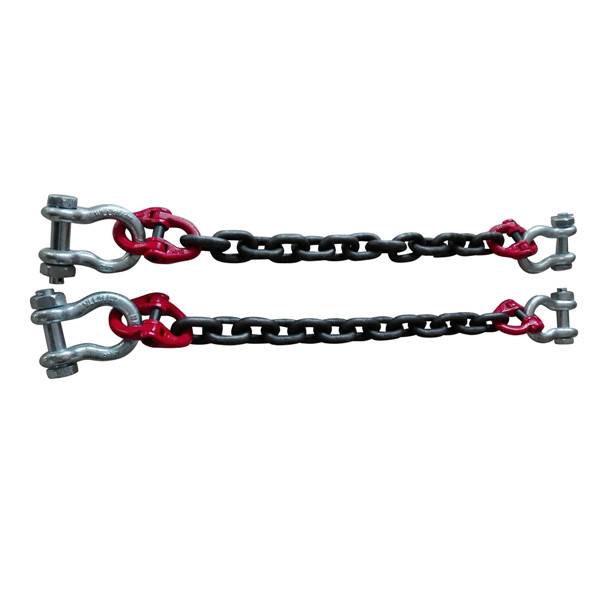
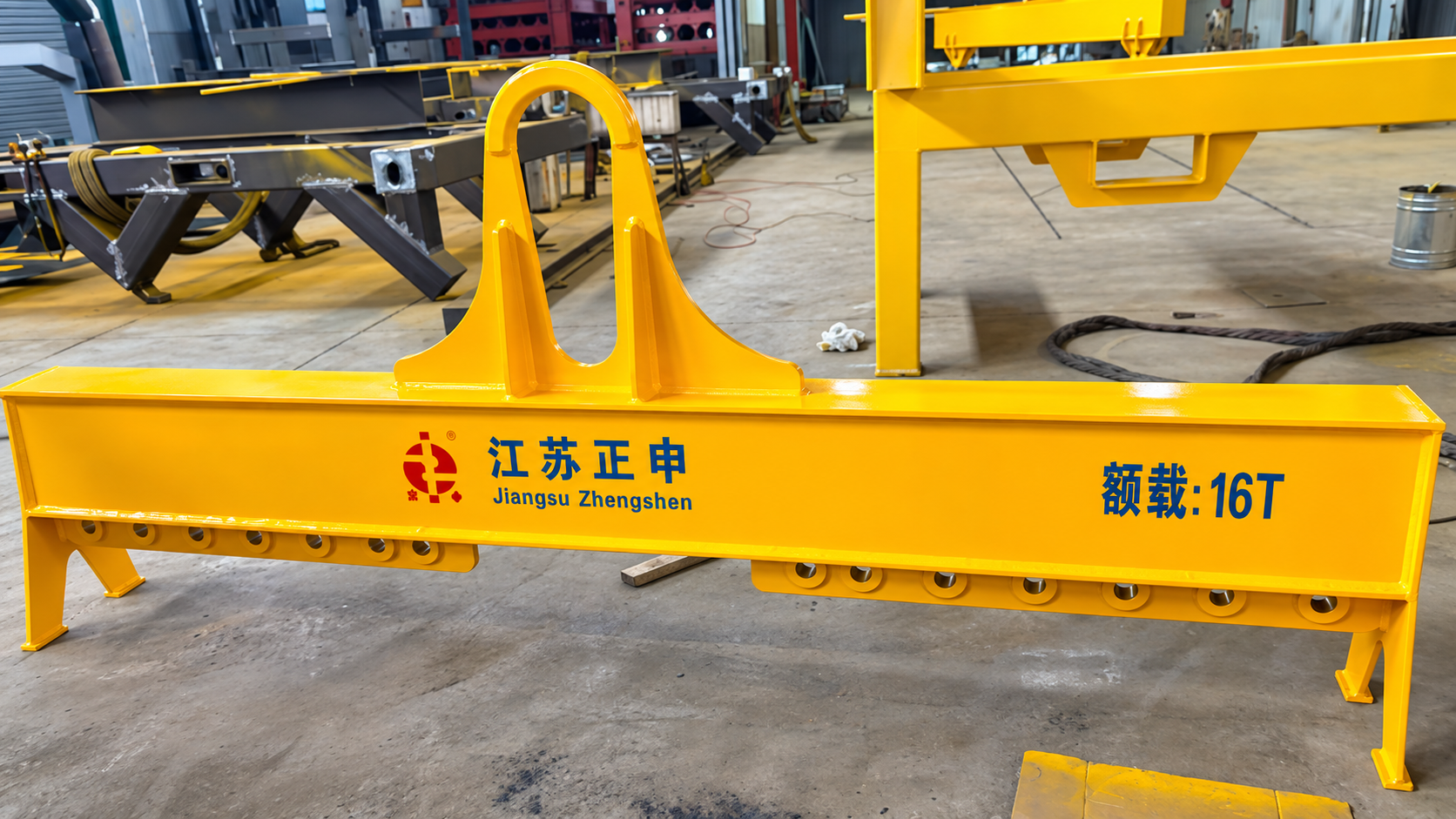
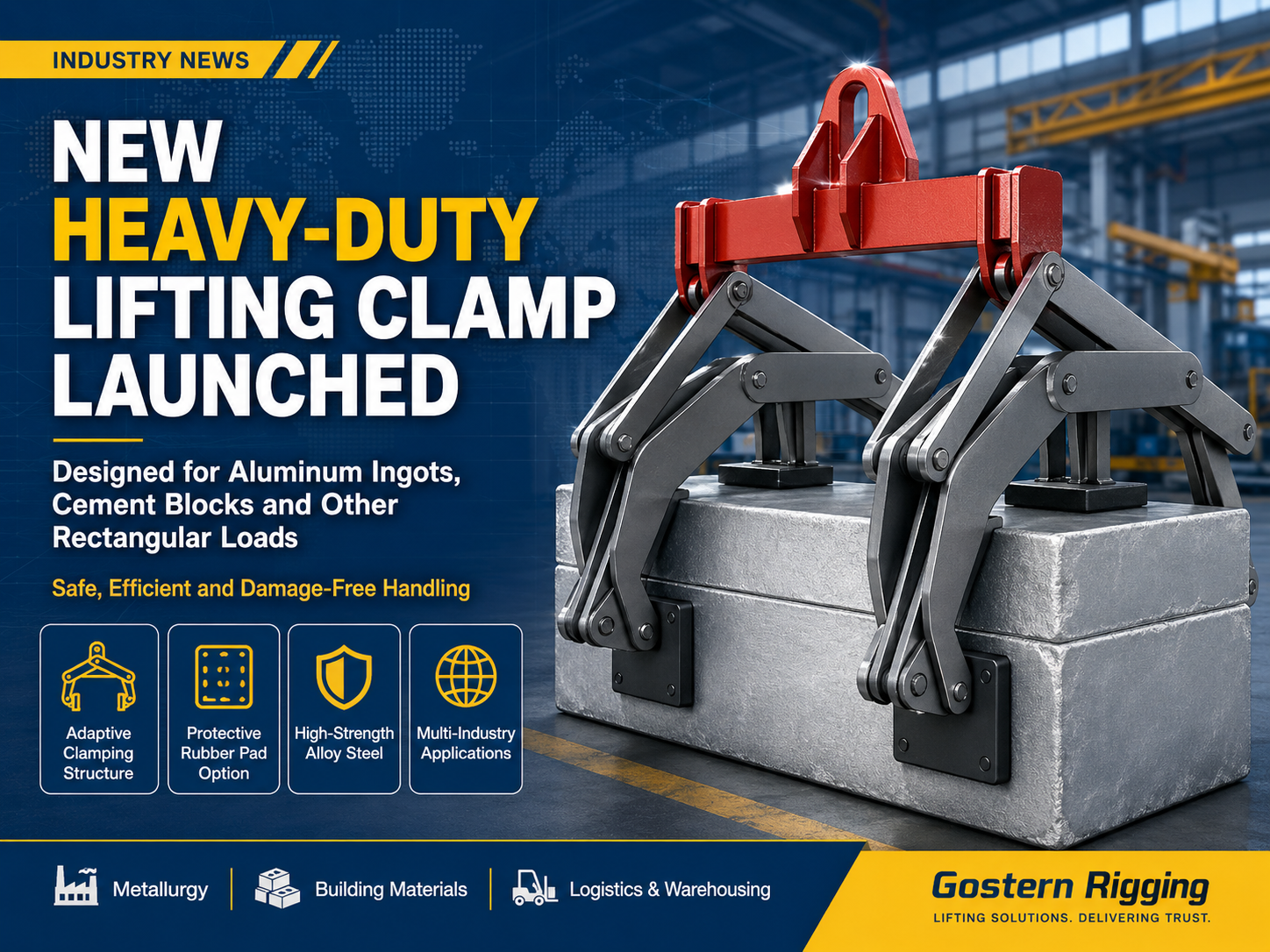
Can hold such as: the tube, pipe, oval pipe, rectangular pipe, H-beam, I-beam, container and other big constructure.
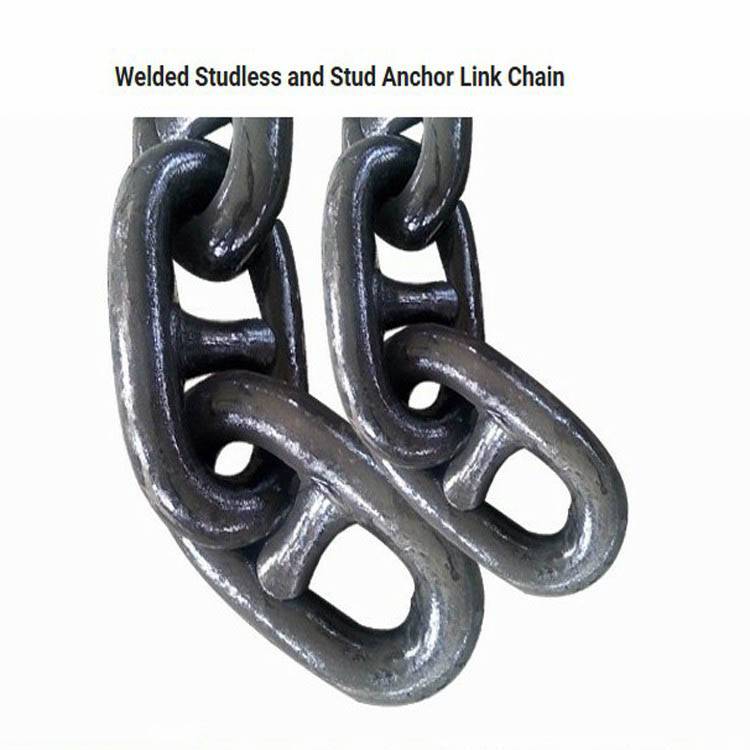
Stud Link and Studless Link Anchor Chain are widely used on Floating Equipment, Ships(Boats), Oil Rigs and Mooring Buoys.
The anchor chain is made up of many links, and the size of the chain is shown as diameter-MM

Lifting link chain

Short Description:

Application: Ship, iron and steel industry, petroleum chemical industry, coal mine

Size6mm-42mm
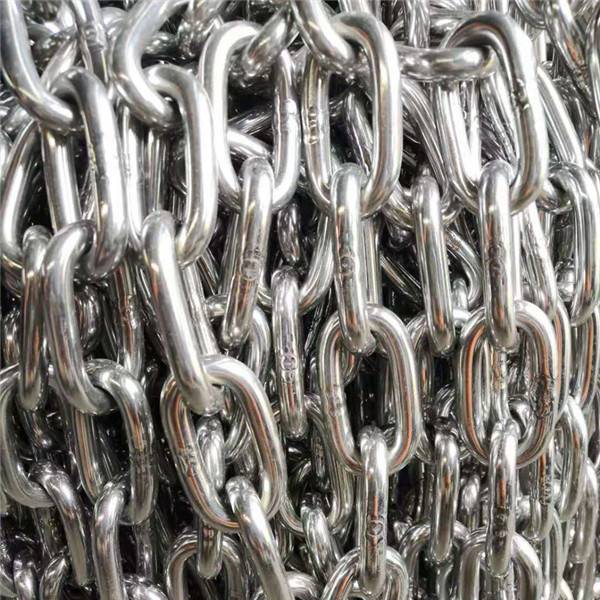
Rangelifting Chain, High precision hoist chain, Stainless steel link chain
MaterialAlloy steel, high tensile, heat treated.
Surface treatmentGalvanized, Black painted, oiled, Polishing, Powder coated

Lifting link chain

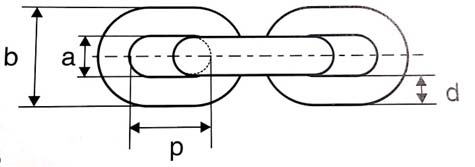
dInner length(P)WidthWLL(<spanT)Weight(Kg/m)
Test load (KN)Min Br. Force(KN)

ModelToleranceDiameter(mm)Min(a)
Max
(b)


6+/-0.24187.822.21.120.82745
8+/-0.322410.429.621.384880
10+/-0.43013373.152.276126
12+/-0.483615.644.44.523.3109180
13+/-0.523916.948.15.33.8127212
16+/-0.644820.859.285.7192320
18+/-0.95423.466.6107.3240400
20+/-160267412.59300500
22+/-1.16628.681.41510.9360600
26+/-1.37833.896.221.215.2509848
30+/-1.5903810628.320.36791132
32+/-1.69641.611831.5237561260
34+/-1.710244.2125.836.3268711452
40+/-2.012052148503612002000
42+/-2.112654.6155.455.44013302216
45+/-2.313558.51676345.515102520
48+/-2.51446017072.55217402900

Chain:Technical prameters long link chain

Nominal Chain 
Size
Weight per 
100′
Chain DiaInside 
Length
Inside 
Width
Working Load 
Limit
Proof LoadBreaking Strength
(in.)(LBS.)(in.)(in.)(in.)(LBS.)(LBS.)(LBS.)
3/8″1173/8″2-3/8″5/8″71001420028400
1/2″1861/2″3-1/4″3/4″100002000040000
5/8″2905/8″3-3/4″7/8″175003500070000
3/4″4603/4″3-3/4″1-1/4″2750055000110000
1″8321″4-1/8″1-3/8″4340086800173600

Attention

  1. Before using the chain and chain rigging, please see clearly the working load and application scope on the sign. Overload is strictly prohibited.

  2. In normal use, lifting Angle is the key to affect the load, the maximum included Angle of lifting shall not exceed 120 degrees, otherwise local overload of chain rigging will be caused.

  3. Irregular connecting parts are prohibited to connect the chains.

  4. The bearing chain rigging is forbidden to be directly hung on the members of the crane hook or wound on the hook.

  5. Temperature has certain influence on the use of chain rigging.
Lifting link chain

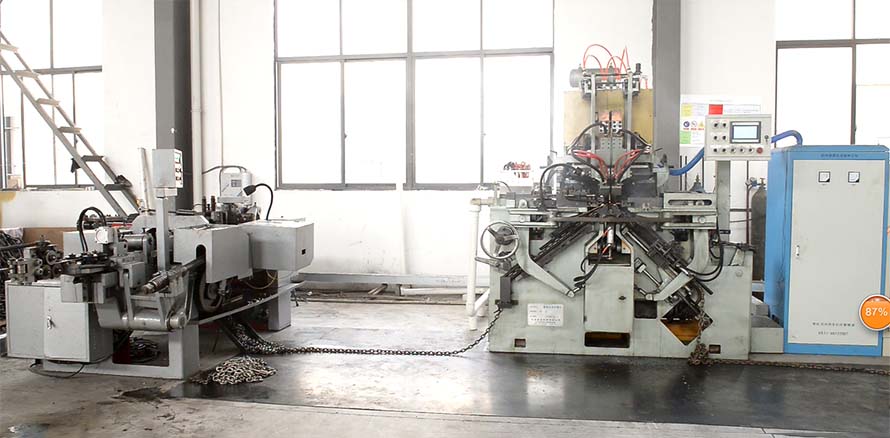
Lifting link chain

What is a lifting link chain and how does it work?

A lifting link chain is a type of chain that is specifically designed for lifting heavy loads. It is composed of interconnected links that are typically made of high-strength steel and are designed to resist bending and breakage under heavy loads.

lifting link chain works by wrapping around the load to be lifted and connecting to a lifting device, such as a crane or hoist. The load is then lifted by the lifting device, which applies tension to the lifting link chain, causing it to lift the load.

Lifting link chains are available in a variety of sizes and configurations to suit different lifting applications. They are commonly used in a wide range of industries, including construction, manufacturing, and transportation.

It is important to note that lifting link chains should only be used for their intended purpose and in accordance with all applicable regulations and industry standards. Improper use or overloading of a lifting link chain can result in failure and injury.

What are some common applications for lifting link chains?

Lifting link chains are used in a wide range of applications due to their strength, durability, and versatility. Here are some common applications for lifting link chains:

  1. Construction: Lifting link chains are commonly used in construction applications, such as lifting and moving heavy loads, and securing equipment and materials.

  2. Manufacturing: Lifting link chains are used in manufacturing applications, such as lifting and moving heavy machinery and securing materials during production.

  3. Transportation: Lifting link chains are used in transportation applications, such as lifting and moving cargo loads and securing loads on flatbed trucks and trailers.

  4. Mining: Lifting link chains are used in mining applications, such as lifting and moving heavy equipment and securing materials in underground mines.

  5. Oil and gas: Lifting link chains are used in oil and gas applications, such as lifting and moving drilling equipment and securing pipelines.

  6. Marine: Lifting link chains are used in marine applications, such as lifting and moving heavy equipment on ships and offshore platforms, and securing mooring lines.

Overall, lifting link chains are versatile and can be used in a variety of applications where strength, durability, and versatility are important factors.

What are the safety considerations to keep in mind when using lifting link chains?

When using lifting link chains, there are several safety considerations that should be kept in mind. Here are some important safety tips:

  1. Use the correct chain for the application: Make sure that the lifting link chain you are using is appropriate for the load and tension requirements of the application. Using a chain with a lower load rating than required can result in failure and injury.

  2. Inspect the chain before use: Always inspect the lifting link chain for any signs of damage or wear before use. Look for cracks, corrosion, or deformities in the chain links, and check the connecting points for wear or damage. Do not use a chain that appears damaged or worn.

  3. Properly install the chain: Follow the manufacturer’s instructions for installation and make sure that the lifting link chain is properly aligned and tightened. Do not over-tighten the chain, as this can cause damage or failure.

  4. Use appropriate personal protective equipment (PPE): Wear appropriate PPE, such as gloves and eye protection, when handling and installing lifting link chains.

  5. Avoid shock loading: Avoid sudden or unexpected loading of the lifting link chain, as this can cause damage or failure. Apply tension gradually and avoid sudden movements or impacts.

  6. Avoid exceeding the working load limit: Do not exceed the working load limit of the lifting link chain, as this can cause damage or failure.

  7. Use proper storage and handling: Store and handle the lifting link chain according to the manufacturer’s instructions to avoid damage or contamination.

By following these safety considerations, you can help ensure the safe and reliable use of lifting link chains in your applications. It is also important to follow all applicable regulations and industry standards for the safe use of lifting link chains.

What are the advantages of using a lifting link chain over other types of lifting equipment?

There are several advantages to using a lifting link chain over other types of lifting equipment. Here are some of the main advantages:

  1. Strength and durability: Lifting link chains are made of high-strength steel and are designed to resist bending and breakage under heavy loads. This makes them ideal for lifting heavy loads and for use in harsh environments.

  2. Versatility: Lifting link chains are available in a variety of sizes and configurations to suit different lifting applications. They can be used with a variety of lifting devices, such as cranes and hoists, and can be connected to a range of load types.

  3. Cost-effectiveness: Lifting link chains are often more cost-effective than other types of lifting equipment, such as wire rope slings or synthetic slings. They are also more durable and long-lasting, which can reduce replacement costs over time.

  4. Ease of use: Lifting link chains are easy to use and can be quickly and easily installed and removed from the load. They require minimal maintenance and can be stored and transported easily.

  5. Safety: Lifting link chains are designed to meet strict safety standards and regulations. When used properly and in accordance with these standards, they offer a high level of safety and reliability.

Overall, the strength, durability, versatility, cost-effectiveness, ease of use, and safety of lifting link chains make them a popular choice for a wide range of lifting applications.

How do you properly maintain and inspect lifting link chains to ensure their longevity and safety?

Proper maintenance and inspection of lifting link chains is essential to ensure their longevity and safety. Here are some guidelines on how to properly maintain and inspect lifting link chains:

  1. Clean the chain regularly: Regularly clean the lifting link chain to remove any dirt or debris that may accumulate on the surface. Use a mild soap and water solution, and avoid using abrasive cleaners that can damage the chain links.

  2. Lubricate the chain: Apply a light coating of lubricant to the chain to prevent corrosion and make it easier to adjust or remove later.

  3. Inspect the chain before use: Always inspect the lifting link chain for any signs of damage or wear before use. Look for cracks, corrosion, or deformities in the chain links, and check the connecting points for wear or damage. Do not use a chain that appears damaged or worn.

  4. Inspect the chain during use: Regularly inspect the lifting link chain during use to ensure that it is properly aligned and tightened. Look for signs of bending or deformation that may indicate overloading or misuse.

  5. Load test the chain periodically: Conduct periodic load testing of the lifting link chain to ensure that it is still within its rated load capacity. Load testing should be done by a qualified professional and in accordance with applicable regulations and industry standards.

  6. Record keeping: Keep a record of the inspection and maintenance history of the lifting link chain. This will provide a documented history of the chain’s condition and can help identify any patterns of wear or damage over time.

  7. Proper storage and handling: Store and handle the lifting link chain according to the manufacturer’s instructions to avoid damage or contamination. Proper storage and handling can also help prolong the life of the chain.

By following these guidelines, you can help ensure the longevity and safety of lifting link chains. It is important to note that all inspections and maintenance should be performed by trained and qualified personnel in accordance with applicable regulations and industry standards.


Leave Your Message

Related Products

Leave Your Message